The Shin Splint Mistake Most New C25K Runners Make Without Realizing It
Shin splints show up disproportionately often during a Couch to 5K program specifically, not because the program itself is flawed, but because it introduces a level of repetitive impact most bodies haven’t handled in years, and a few concrete adjustments prevent most cases before they start.

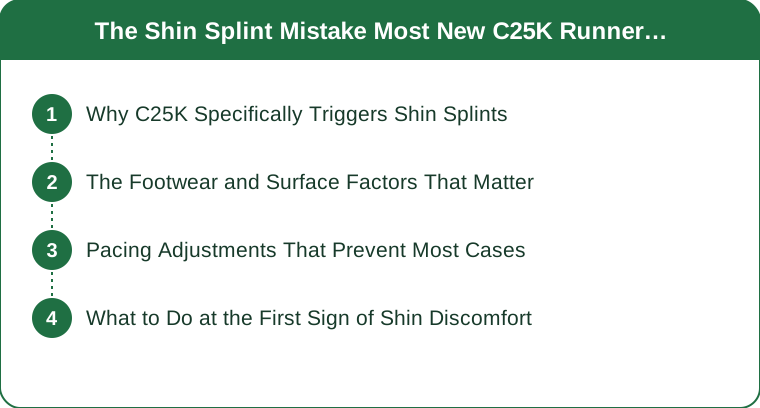
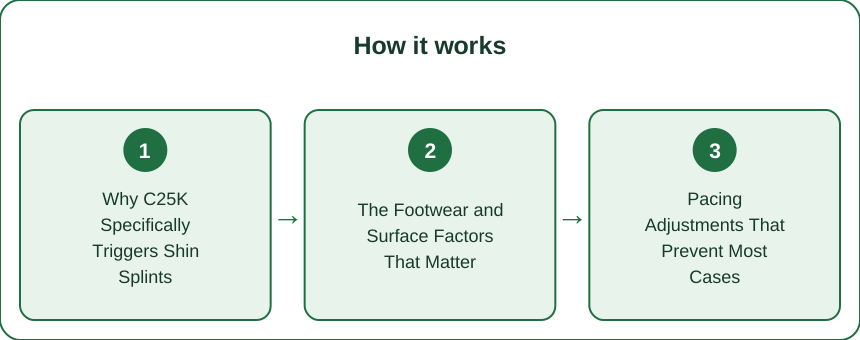
Why C25K Specifically Triggers Shin Splints
The program-specific factors: the the-rapid-impact-tolerance-increase (a body with little to no recent running history experiencing a rapid increase in repetitive impact tolerance demand over just a few weeks, faster than the shin bone and surrounding tissue can adapt structurally), the the-run-walk-interval-transition-stress (the repeated transition between walking and running intervals placing a specific, uneven loading pattern on the shins that continuous running at a steady pace doesn’t create in the same way), the the-enthusiasm-driven-overpacing (new C25K runners often unconsciously running each interval faster than a genuinely easy pace, since the walk breaks make the running portions feel more sustainable than they actually are at that speed)).
The Footwear and Surface Factors That Matter
The environmental contributors: the the-worn-out-or-wrong-shoe-issue (starting a running program in shoes that are either worn out or were never actually designed for running, like general cross-trainers or walking shoes, removing a meaningful layer of impact absorption), the the-hard-surface-concentration (running exclusively on concrete or other very hard surfaces concentrating impact force more than a softer surface like a track, trail, or treadmill would), the the-sudden-surface-change-risk (switching surfaces suddenly, like moving from a treadmill to outdoor pavement, introducing a new impact pattern the shins haven’t adapted to yet, even if overall mileage stays the same).

Pacing Adjustments That Prevent Most Cases
The pacing fixes: the the-genuinely-easy-run-pace (running C25K intervals at a pace slow enough to comfortably hold a conversation, since a pace that feels sustainable during a short interval is often still faster than the shins can adapt to over a full program), the the-following-the-programs-built-in-progression (following the program’s built-in walk-run progression exactly as written rather than skipping ahead to longer running intervals prematurely, since the gradual progression is specifically designed around tissue adaptation timelines), the the-rest-day-adherence (taking the program’s built-in rest days seriously rather than adding extra running sessions, since shin tissue adaptation happens during rest, not during the run itself).
What to Do at the First Sign of Shin Discomfort
The early response: the the-distinguish-normal-soreness-from-shin-splints (distinguishing generalized new-runner muscle soreness, which is normal and temporary, from a specific, localized ache along the shin bone itself, which is the actual warning sign worth responding to), the the-reduce-dont-eliminate-first (reducing running volume or intensity for a few sessions rather than stopping entirely at the first sign of shin discomfort, unless pain is sharp or worsening), the the-see-a-professional-if-persistent (seeing a physical therapist or sports medicine provider if shin discomfort persists more than a week or worsens despite reduced training, since persistent shin pain can progress toward a more serious stress injury), and the frame (shin splints show up often during C25K because the program introduces a fast ramp-up in repetitive impact, and running at a genuinely easy pace, wearing real running shoes, and following the program’s built-in progression and rest days exactly as written prevent most cases before they start. This is general information, not medical advice.)
Shin splints show up disproportionately often during a Couch to 5K program, not because the program itself is poorly designed, but because it introduces a rapid increase in repetitive impact tolerance demand that the shin bone and surrounding tissue simply haven’t had years of running to adapt to, and the repeated transition between walking and running intervals creates an uneven loading pattern that continuous steady-pace running doesn’t produce in the same way. Starting the program in shoes that are worn out or never designed for running in the first place removes a meaningful layer of impact absorption, and running exclusively on concrete concentrates that impact even further, while new runners often unconsciously push each running interval faster than a genuinely easy, conversational pace simply because the walk breaks make it feel more sustainable than it actually is. The most reliable prevention is running at a pace slow enough to hold a conversation, wearing real running shoes, and following the program’s built-in walk-run progression and rest days exactly as written rather than skipping ahead, since the gradual buildup is specifically paced around how long shin tissue actually takes to adapt. A generalized new-runner soreness is normal, but a specific, localized ache along the shin bone itself is worth responding to by reducing volume for a few sessions rather than pushing through, and seeing a physical therapist or sports medicine provider if the discomfort persists more than a week, since this is general information and not medical advice, and persistent shin pain can progress toward a more serious injury if ignored.
Keep Reading
This article is for general informational purposes only and is not medical advice. Always consult a qualified health professional for guidance specific to you.