The Complete First 5K Race Day Plan: What to Actually Do From Wake-Up to Finish Line
Quick Answer: Race day success is mostly about not changing anything: same breakfast, same shoes, same warm-up you’ve practiced, and a deliberately slower first mile than race adrenaline wants. The plan below covers wake-up through finish line.
You’ve done the training. Every long run, every interval, every week of Couch to 5K is behind you. Race day nerves are normal — but they also tempt people into changes that undo months of preparation. Here’s the mile-by-mile plan that protects your training investment.

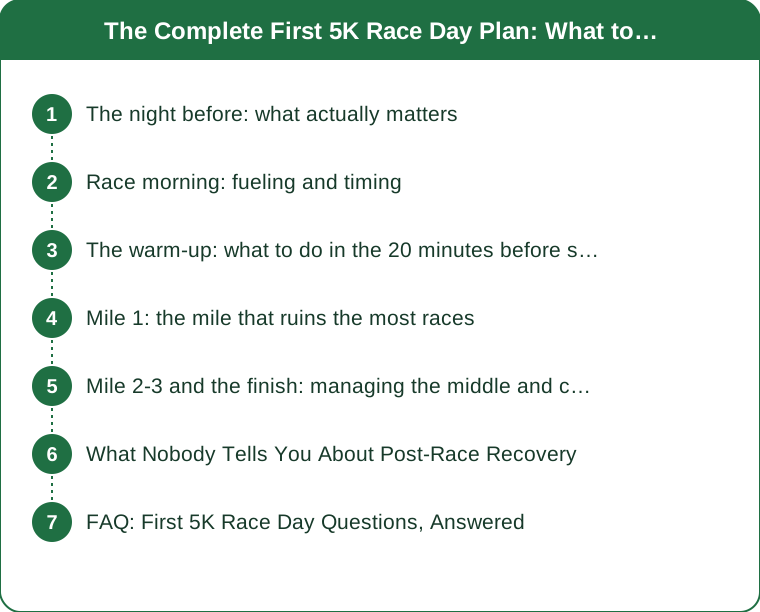
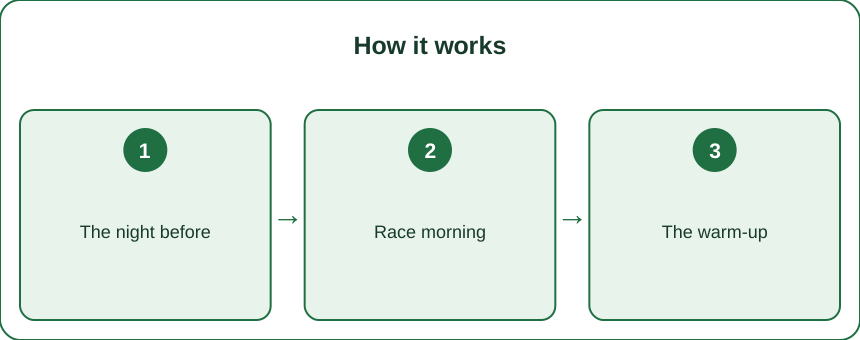
The night before: what actually matters
Lay out your entire outfit, race bib (if you have it), shoes, and any gear the night before — race morning decision fatigue is real and worse than people expect. Eat a normal dinner, nothing new or unusually heavy.
Set two alarms and plan to wake up at least 2.5-3 hours before your start time. That sounds early, but between eating, digesting, driving, parking, bathroom lines, and warming up, race mornings eat time faster than training mornings ever did.
Go to bed at your normal time, even if you’re nervous and think you won’t sleep. One night of mediocre sleep barely affects race performance — chronic sleep debt from training weeks does, but that’s already behind you.
Race morning: fueling and timing
Eat the breakfast you’ve practiced during training — this is not the day to try a new bar, gel, or breakfast sandwich. If you haven’t practiced fueling before training runs, plain toast with a banana about 1.5-2 hours before start is a safe, low-risk choice.
Hydrate normally, not excessively — a regular glass or two of water with breakfast is enough. Over-drinking right before a race just means uncomfortable bathroom stops mid-run.
Arrive at least 45-60 minutes before start time. Parking, bib pickup, bag check, and bathroom lines at races routinely take longer than expected, and rushing to the start line raises your heart rate before you’ve even started running.
The warm-up: what to do in the 20 minutes before start
Walk for 5 minutes, then do a light 2-3 minute jog well away from the crowd if space allows — just enough to get blood flowing, not enough to tire your legs. Follow with dynamic movements: leg swings, walking lunges, a few high knees. Skip static stretching (holding a stretch) right before running — it doesn’t reduce injury risk here and can slightly reduce muscle power short-term.
Get into the starting corral according to your expected pace, not where your friends are standing. Lining up too far forward means weaving around faster runners for the first mile, which wastes energy and messes with your pacing.

Mile 1: the mile that ruins the most races
This is the single most important pacing lesson for a first 5K: the adrenaline of race day will make mile 1 feel effortless at a pace that is too fast. Nearly every new racer goes out 20-30 seconds per mile faster than their trained pace in the excitement of the start.
Deliberately hold back. If your training pace was 12 minutes per mile, aim to feel like you’re running slightly under that for the first mile — it should feel almost too easy. That discipline is what lets you finish strong instead of surviving mile 3.
Mile 2-3 and the finish: managing the middle and closing strong
Mile 2-3: settling in and managing the middle
The middle of a 5K is where mental strategy matters more than physical strategy. Break the remaining distance into smaller pieces — get to the next mile marker, then the next — rather than thinking about the whole remaining distance at once.
If a walk break is part of your trained plan (many C25K graduates still walk briefly at intervals), take it exactly as planned rather than pushing through out of race-day pride. The runners who stick to their trained run/walk pattern usually finish faster and feel better than those who abandon it under peer pressure.
The finish: what to do in the final quarter mile
Once you can see the finish line or hear the announcer, it’s genuinely fine to pick up the pace if you have anything left — this is the one place in the race where holding back stops mattering. Many runners find an unexpected finishing kick here purely from adrenaline and visual motivation.
After crossing, keep walking for 5-10 minutes rather than stopping immediately. Suddenly stopping after sustained effort can cause dizziness as blood pools in your legs. Grab water, walk it off, then find your people.
What Nobody Tells You About Post-Race Recovery
The emotional crash 2-3 hours after a first race surprises a lot of finishers — you trained for months toward one morning, and now it’s simply over. That flat feeling is normal, not a sign anything went wrong.
Physically, expect more soreness than a typical long training run, partly from faster pace and partly from race-day adrenaline masking effort in the moment. Light walking the next day helps more than complete rest. And consider signing up for the next race within a week or two — post-race motivation is real and worth capturing while it’s fresh.
FAQ: First 5K Race Day Questions, Answered
What if I need a bathroom break during the race?
Most races have portable toilets on course for exactly this reason — use them without guilt. A 90-second stop doesn’t undo months of training, and racing with real discomfort is worse for your time than the stop itself.
Is it bad to walk during a 5K if I trained with walk breaks?
Not at all — run/walk is a legitimate, well-studied pacing strategy, and sticking to your trained pattern typically produces better results than abandoning it under race pressure.
What should I eat right after finishing?
Most race finish lines offer bananas, bagels, or similar light carbs — eat something within 30-60 minutes even if you don’t feel hungry, since appetite is often suppressed right after hard effort but your body still needs the refuel.
TL;DR:
- Lay out gear the night before; eat the breakfast you’ve already practiced, nothing new
- Arrive 45-60 minutes early — lines and logistics always take longer than expected
- Mile 1 will feel too easy at the right pace — that’s the point, hold back deliberately
- Keep your trained walk breaks if you had them; keep walking after the finish, don’t stop cold
You already did the hard part in training. Race day is just about not talking yourself out of the plan that got you here.
Keep Reading
This article is for general informational purposes only and is not medical advice. Always consult a qualified health professional for guidance specific to you.